
Strengthen Your Web: 7 Must-Have Features for Travel Websites
By Nick Ostdick on Apr 28, 2016 9:00:00 AM
It’s no secret in the tourism industry that summer is the season of travel. In fact, a 2015 survey examining the travel habits of more than 1,000 respondents found a majority of those polled save more than one-third (37 percent) of their vacation time for the summer months, and that 4 …
Why Tour Operators Should Target Adventure Travelers
By Nick Ostdick on Apr 26, 2016 9:00:00 AM

It’s no secret that tour operators have been struggling to maintain a foothold in today’s travel industry with the rise and proliferation of travel review websites, social media, and the wealth of general travel information available to customers at the snap of their fingers. Today’s …
How Cognitive Computing Could Change How We Travel
By Nick Ostdick on Apr 21, 2016 12:26:00 PM
It sounds like something straight out of The Jetsons: Describing your criteria for an upcoming business trip or vacation to a computer, which then instantaneously generates personalized recommendations based on profiles culled from past purchasing behavior. Perhaps even more out of th …
5 Keys to Success For Travel Agents in 2016 And Beyond
By Nick Ostdick on Apr 19, 2016 9:00:00 AM
It’s Tuesday night and you just discover you don’t have enough milk to finish cooking the family dinner. You know you’ll have to run out for a fresh quart, but as you scramble to find your car keys and a few dollars you have to decide where you’re going to go. You have options: a big- …
Millennials vs. Seniors: Which is The Travel Industry’s Best Bet?
By Nick Ostdick on Apr 14, 2016 9:00:00 AM
Recently I was on a cross-country flight and had the dubious, yet fortuitous advantage of being booked into the middle seat with a senior traveler on one side and a much younger traveler on the other. After take-off the older traveler quickly delved into a book while my younger travel …
The Importance of Social Media in Today’s Travel Industry
By Nick Ostdick on Apr 12, 2016 9:00:00 AM

Travel is an inherently social act. Even if you’re traveling alone, whether for business or leisure, you’re not really alone - instead, you’re surrounded by scores of other travelers in airports, bus terminals, or hotel lobbies, most of whom are frequently checking their smart phones …
The Cuba Effect: On Success in New and Emerging Markets
By Nick Ostdick on Apr 7, 2016 11:48:16 AM

President Obama made good on his pledge to loosen trade and travel restrictions with Cuba in March by a long-awaited visit that signaled goods, services, and tourists will soon be able to move freely to and from the small island nation just 90 miles south of United States. And would-b …
Are you social? A short how-to about feedback on social media.
By Andrei Savin on Apr 6, 2016 10:30:00 AM
How to: social media monitoring, from zero to hero. As the technology interferes more and more with our lives, the buying habits of the customers are changing. A few years back, a customer that wanted to give a feedback had a limited audience: it was either via support center, dedicat …
Tour Operator Trends and Technology
By David Eddy on Apr 5, 2016 7:00:00 AM
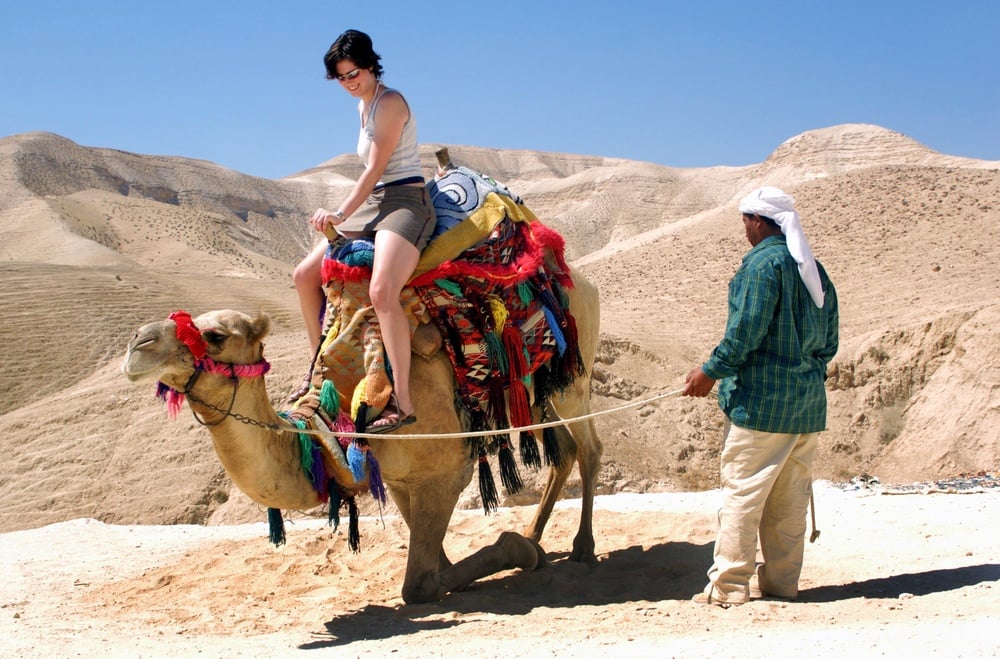
Within the tour industry the trends of early 2016 are mirroring those of 2015: customers are increasingly looking for customized offerings that promise highly personalized travel experiences. It’s not surprising: who doesn’t want to return from a trip with a sense of having authentica …